

Laser treatment for pilonidal sinus is a minimally invasive method that has become increasingly popular in recent years. Compared to traditional surgical methods, it is preferred by both patients and surgeons due to its potential to offer smaller incisions, less pain, and faster recovery times.
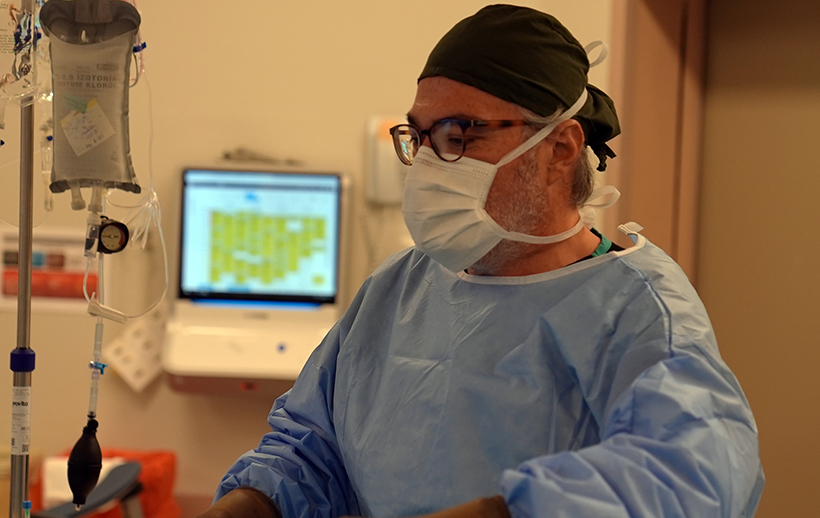
Principle of Laser Treatment (SiLaC – Sinus Laser Ablation of the Cystic Duct)
One of the most well-known laser treatment techniques for pilonidal disease is called SiLaC (Sinus Laser Ablation of the Cystic Duct). The basic principles of this method are as follows:
- Cleaning of Sinus Openings and Tracts: First, the small external openings of the pilonidal sinus and the hair and tissue debris inside are cleaned using special instruments (curettage). This helps remove the source of infection.
- Placement of the Laser Fiber: Then, a very thin and flexible laser fiber (like a thread) is inserted into the sinus cavity and tunnels (fistula tract).
- Destruction with Laser Energy: Controlled laser energy is delivered into the sinus cavity through the fiber. This energy ablates (burns) and destroys the abnormal tissue forming the cyst wall and sinus tracts from inside, causing them to shrink. The goal is to close the sinus cavity and promote healing.
- Minimal Incision: Unlike traditional surgeries, there is no need for a large incision. Usually, only a small entry point enough to insert the laser fiber through the sinus openings is used.
Advantages of Laser Treatment
- Minimally Invasive: Smaller incisions mean less damage to surrounding tissue.
- Less Pain: Postoperative pain is generally lower than traditional methods, reducing the need for painkillers.
- Faster Recovery: Patients usually return to normal daily activities and work sooner. Returning to work within a few days to a week is possible, while full recovery may take 3-4 weeks.
- Cosmetic Results: Minimal incisions result in less noticeable scars.
- Short Hospital Stay: In most cases, hospitalization is not required, and the patient can go home the same day.
- Lower Risk of Complications: Risks such as wound infection and wound breakdown are generally lower compared to traditional surgery.
Success Rates and Recurrence
Success rates of laser treatment vary according to studies but are generally reported to be between 70% and 90%. However, some studies suggest that recurrence rates might be higher in the long term. Recurrence depends on the severity of the disease, complexity of the sinus, and the surgeon's experience.
Key factors to prevent recurrence include:
- Postoperative Hair Removal: Regular removal of hair in the area after laser treatment (preferably by laser hair removal) significantly reduces the risk of recurrence.
- Good Hygiene: Keeping the area clean and dry.
Who is it Suitable For?
Laser treatment may be a suitable option particularly for uncomplicated pilonidal sinus cases without acute infection (abscess) and those who have not undergone multiple previous surgeries. In the presence of an acute abscess, drainage and infection control should be done first, followed by consideration of laser treatment.
Conclusion
Laser treatment for pilonidal disease offers a modern, minimally invasive, and effective alternative to traditional surgery. It is an attractive option for patients seeking less pain, faster healing, and better cosmetic outcomes. However, as with any medical procedure, laser treatment has its benefits and potential risks. To determine the most suitable treatment option for you, it is essential to have a detailed consultation with a general surgery specialist.
Contact
Feel free to reach out for a second opinion or to schedule an appointment.
You’re welcome to contact us directly with any questions you may have about diagnosis, treatment, or surgical procedures.